

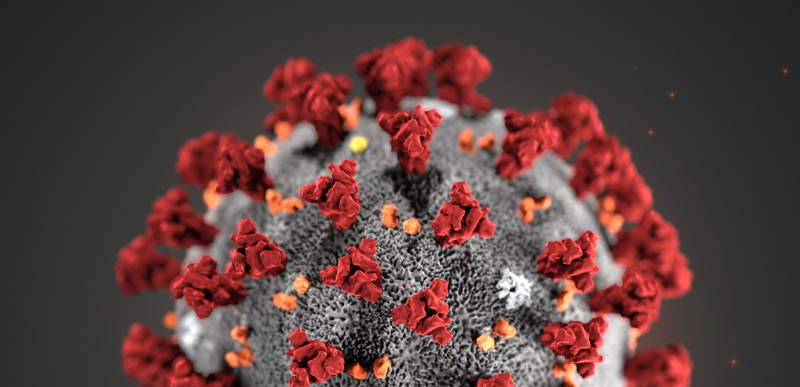

A new experimental drug has been found to have helped a large number of critically ill patients with coronavirus recover to the point that they were released within a week. It’s called remdesivir:
DAILY MAIL – Coronavirus hopes were today raised after the anti-viral remdesivir was found to help critically-ill patients recover within a week.
University of Chicago Medicine recruited 125 people with COVID-19 as part of global clinical trials. Of those people, 113 had severe disease.
All the patients were treated with daily infusions of remdesivir, an experimental drug first touted to treat Ebola which has been in the making for ten years.
Most of the patients have been discharged after their symptoms eased over a week, and only two patients have died.
The drug has done so well that the drug maker’s stock price has increased 16% already…
The manufacturer – pharmaceutical giant Gilead Sciences – saw its shares surge by 16 per cent in after hours trading on Thursday as American stock markets rallied overnight in response to the encouraging trial results.
Remdesivir is only an experimental drug, and was initially hoped to help fight Ebola. But it faltered in comparison to others drugs.
It has been thrust into the limelight once more after the World Health Organization listed it as ‘the most promising candidate’ for a COVID-19 therapy in January.
The medicine has been shown to stop other similar coronaviruses, including MERS, in tests on animals.
And the first COVID-19 patient diagnosed in the US reportedly improved overnight after doctors gave the 35-year-old remdesivir as a last-ditch attempt to treat him.
“Profound impact”
Scientists say remdesivir – which is also being trialled in scores of British hospitals – could have a ‘profound impact’ on the global pandemic.
The University of Chicago is one of 152 locations participating in Gilead’s phase three clinical trial involving severe COVID-19 patients, with other locations in the UK.
The results were revealed by Kathleen Mullane, the infectious disease specialist overseeing the remdesivir studies for the hospital, in a video conference, of which STAT obtained a copy.
The ‘anecdotal data … looks promising on the surface and continues to support some potential for the drug to be active in certain COVID-19 patients,’ RBC Capital Markets analyst Brian Abrahams said in a research note.
The only thing I’d like to know at this point is what “critically-ill” really means. Were the patients on ventilators? How much damage had been done to their lungs by the virus? It’s important because hydroxychloroquine works best before patients get critically ill. If this is a drug that can reverse more severe damage, that would be incredible news.